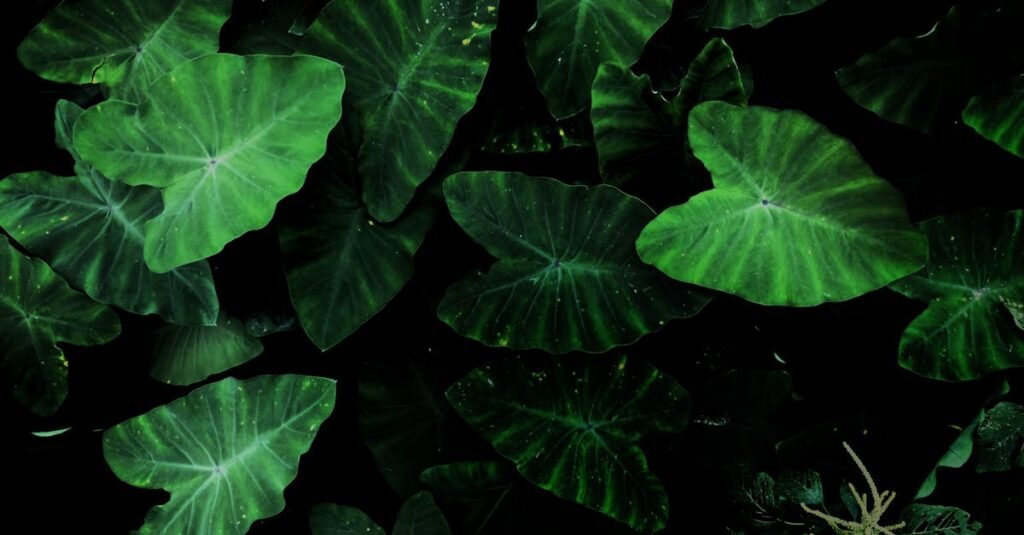

Nature is basically the original comic‑book writer. For every plant that politely photosynthesizes in the sun, there’s another one out there dissolving insects, launching seeds like tiny cannons, or surviving conditions that would destroy most life on Earth. Here are some of the strangest botanical superpowers growing quietly around us.
🦴 1. The Skeleton Flower (Diphylleia grayi)
This plant turns transparent when it gets wet. Its petals go from white to glass‑clear in the rain, like a magical mood ring. Scientists think the petal structure scatters light differently when soaked, but honestly it just feels like nature showing off
🔥 2. Fire‑Activated Seeds
Some plants — like certain pines and eucalyptus — literally need fire to reproduce. Their cones or pods only open after extreme heat melts the resin sealing them shut. It’s a survival strategy in fire‑prone ecosystems, and a reminder that nature can be metal.
🪰 3. Carnivorous Plants
Venus flytraps, sundews, pitcher plants… they all evolved to eat bugs because their soil is too nutrient‑poor. They’re basically the “fine, I’ll do it myself” of the plant world.
🧊 4. Arctic Willow: The World’s Smallest Tree
This “tree” grows only a few centimeters tall, hugging the ground to survive brutal Arctic winds. It’s like a bonsai that nature made on purpose.
💣 5. The Sandbox Tree (a.k.a. The Dynamite Tree)
Its seed pods explode with a sound like a gunshot, launching seeds at up to 150 mph. This is the plant equivalent of “get off my lawn.”
🌱 Plants With Superpowers: Nature’s Weirdest Adaptations (Extended Edition)
Nature didn’t stop at carnivorous leaves and exploding seed pods. The plant kingdom is full of organisms that behave like they’re auditioning for a sci‑fi movie. Here are even more botanical superpowers that prove plants are anything but boring.
🧲 6. The Sensitive Plant (Mimosa pudica): Touch‑Activated Defense Mode
This plant moves when touched. Its leaves fold inward instantly, like a shy creature retreating into a shell. Scientists think it’s a defense mechanism to scare off herbivores, but it also feels like the plant equivalent of “don’t talk to me before coffee.”
🧪 7. The Corpse Flower (Amorphophallus titanum): Weaponized Stench
This giant bloom heats itself up and releases a smell like rotting flesh to attract carrion‑loving insects. It’s one of the largest flowers in the world and also one of the smelliest. Beauty is subjective.
🧲 8. Sundews: Living Flypaper
These carnivorous plants trap insects with sticky, glistening droplets that look like morning dew. When a bug lands, the tentacles slowly curl inward like a villain twirling their mustache.
🧱 9. Welwitschia: The Plant That Refuses to Die
Found in the Namib Desert, this plant grows only two leaves… which never fall off. They just keep growing, shredding, and curling for up to 2,000 years. It’s the ultimate “I’m still here” energy.
🧊 10. Resurrection Plants: Back From the Dead
These desert plants can dry out completely, curl into a brown ball, and appear dead for years. Add water, and they unfurl and turn green again within hours. They’re basically botanical necromancers.
🧨 11. Squirting Cucumbers (Ecballium elaterium): Seed‑Launching Water Cannons
When ripe, these cucumbers build up internal pressure until they explode, shooting seeds up to 20 feet away. It’s like a tiny vegetable grenade.
🧛 12. Dodder Vine: The Vampire Plant
Dodder doesn’t bother with photosynthesis. Instead, it sniffs out nearby plants (yes, it can detect chemical cues), wraps around them, and sucks out nutrients. It’s a botanical parasite with a surprisingly good sense of smell.
🧬 13. The Dancing Plant (Desmodium gyrans): Leaves That Groove
This plant moves its small leaflets in slow, rhythmic motions — especially in warm light. Historically, people thought it was reacting to music. In reality, it’s adjusting to maximize sunlight, but it still looks like it’s vibing.
🧪 14. Pitcher Plants With Bat Roommates
Some pitcher plants in Borneo have evolved to host bats. Instead of eating insects, they collect bat droppings for nutrients. In return, the bats get a cozy roost. It’s the weirdest Airbnb arrangement in nature.
🪨 15. Lithops: Plants That Look Like Rocks
These succulents evolved to mimic stones to avoid being eaten. They blend into gravel so well that you can walk right past a whole colony without noticing. They’re basically plant ninjas.
🧯 16. Sequoias: Fireproof Giants
Giant sequoias have bark up to two feet thick, rich in tannins that resist fire, insects, and decay. They can survive wildfires that would destroy almost anything else. Some are over 3,000 years old — they’ve seen things.
🧲 17. The Telegraph Plant: Solar Tracking in Real Time
This plant rotates its leaves to follow the sun throughout the day, like a slow‑motion satellite dish. It’s one of the few plants whose movements are visible without time‑lapse.
For something that can’t walk, talk, or dramatically storm out of a room, plants have evolved some of the most astonishing survival tricks on Earth. They explode, resurrect, shapeshift, glow, hunt, hide, and even form alliances with animals. The more we learn about them, the more it feels like we’re living on a planet full of quiet superheroes — each one adapting in ways we’re only beginning to understand.
Next time you pass a patch of moss, a scraggly weed, or a tree older than your entire family line, remember: you’re surrounded by organisms that have been perfecting their powers for hundreds of millions of years. And they’re still full of surprises.
If you enjoyed this dive into botanical weirdness, stick around — the natural world has plenty more secrets to spill.